The free security solution for combating phone fraud from the electronic communications and ICT service provider Bite Latvija blocked almost 660,000 fraudulent calls in the fourth quarter of this year alone, which is four times more than in the same period last year, reaching the highest intensity level so far.
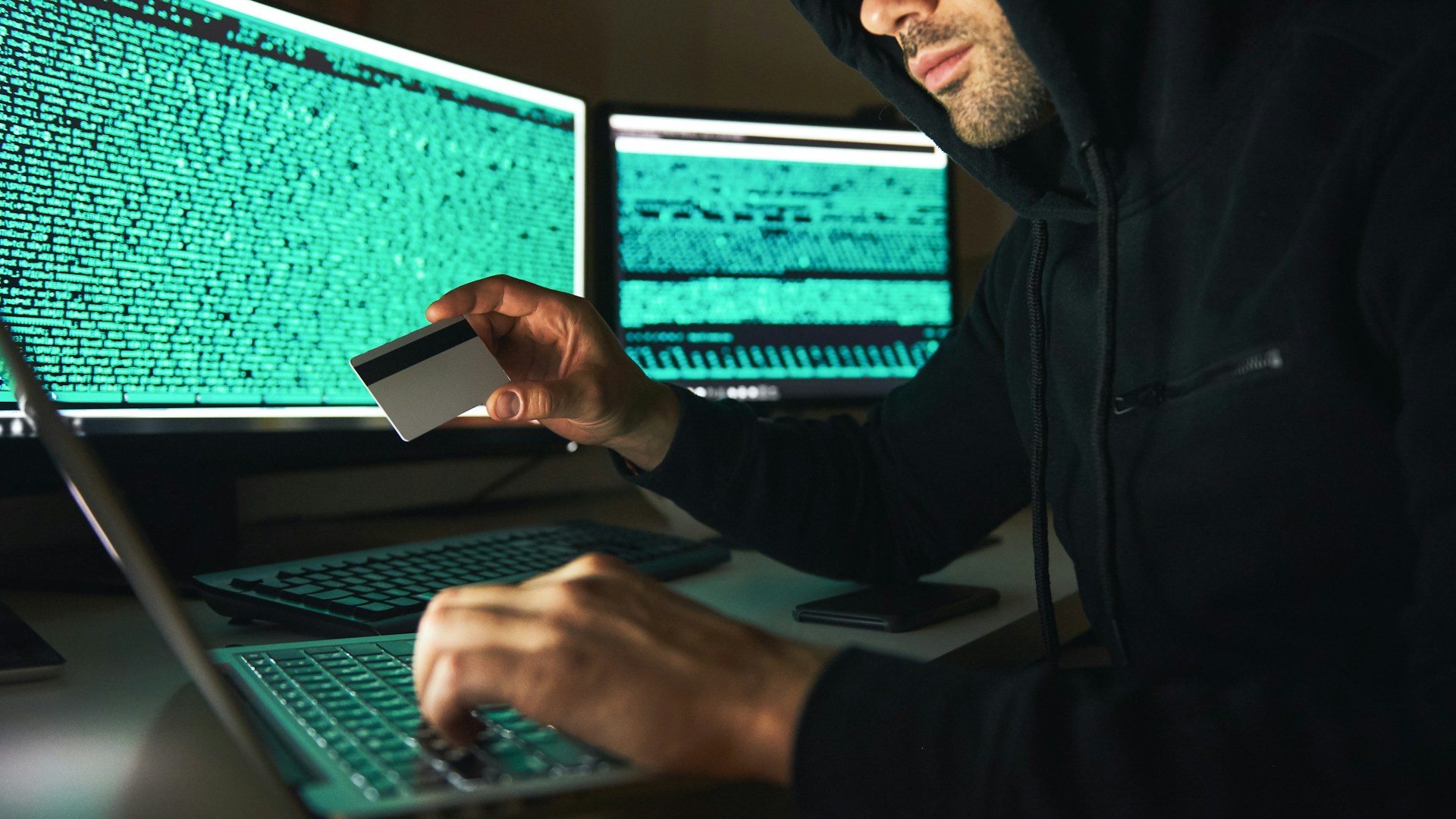
Meanwhile, in the digital environment, cybercriminals attack every third mobile device, according to the company’s security service Antivīruss Plus. As Bite Latvija internal security process manager Hermanis Eriņš points out, such an increase is an unprecedented indicator that reflects the organization and strategic approach of fraudsters. The expert forecasts that next year various hybrid campaigns will be used more in phone fraud, while in order to avoid cyberthreats, people’s vigilance alone will no longer be sufficient in the future.
According to statistics compiled by Bite Latvija, in the third quarter of this year almost 181,000 fraudulent calls were blocked, which was twice as many as in the same period in 2024. However, the fourth-quarter data clearly shows that fraudsters’ activity is rapidly increasing and is even higher than at the end of last year. Fraudsters are not relenting in the digital space either – in the first nine months of this year, Bite Latvija security solution Antivīruss Plus prevented more than 116 million cyberthreats originating from more than 408,000 malicious domains.
Next year we will see more artificial intelligence–generated calls and hybrid fraud campaigns
Number spoofing is currently the main tool of fraudsters – phone scammers most often use Latvian numbers, because people trust them more than foreign numbers. In other words, when receiving a call from a Latvian number, the likelihood that the recipient will answer is much higher than if the call is made from a number registered in a foreign country.
“Alongside number spoofing, a high level of activity can also be seen in so‑called social engineering calls, in which fraudsters, for example, urge people to make payments urgently or intimidate them by telling stories about a relative’s misfortune that supposedly requires financial support. In addition, this year there has been a rapid increase in fraud methods generated with artificial intelligence, including voice cloning and deepfakes – these are automated robocalls as well as calls in which a person’s voice and conversational style are imitated, making them particularly difficult to recognize,” says H. Eriņš.
In his view, the activity of phone fraudsters will only increase in the future, and next year we will see ever more fraud methods created with the help of artificial intelligence, as well as hybrid fraud campaigns in which fraudulent calls and text messages are combined in a single scheme, creating an additional impression of credibility for the victim and intensifying psychological pressure. For example, a fraudster may initially send a text message in the name of a public authority or bank, urging the recipient to make a payment. This is then followed by a call from the fraudster posing as a representative of the bank’s security department or a public authority, in order to fully mislead the person and achieve the desired action.
At the same time, the intensity of threats in the digital environment also remains very high – in nine months this year, attacks were carried out from more than 507,000 unique devices used as sources of malicious activity.
More detailed analysis of the prevented threats shows that the largest share, 56 %, of attacks consists of malware – harmful software such as Trojans, which, once inside a device, disrupts its operation or steals data. Another 18.3 % of attacks are linked to Command and Control centers, which allow criminals to remotely control infected devices, while in 12.2 % of cases phishing was identified, where people are lured in various ways to visit fake websites. A smaller share, 4.7 %, consists of cryptomining attacks, in which hackers use users’ devices to mine cryptocurrency, 8.5 % are dangerous websites used for fraud or data theft, while spam accounts for less than 1 % of the total volume of attacks.
People’s caution is still crucial, both to avoid phone fraud and to reduce personal cybersecurity risks. For example, if there are doubts about the authenticity of a call, the conversation should be terminated immediately and personal data should never be disclosed. It is safer not to answer calls from unfamiliar foreign numbers at all. When using mobile devices, one should definitely not download or open unknown files or click on links sent in suspicious text messages or emails. It is important to carefully assess which device functions are allowed to be accessed by different mobile apps, and so on.
“Fraudsters know and exploit all our human weaknesses – the desire to trust, concern for loved ones, everyday rush, the urge to buy a desired product cheaper, forgetfulness, overconfidence in digital skills, and many others. To avoid fraud, people’s knowledge and caution are essential, but in the future that will not be enough. Given the level of fraudster activity, security solutions such as antivirus will become an everyday necessity. At the same time, it is necessary to improve the existing regulation in Latvia, allowing mobile operators to be more actively involved in protecting residents against fraudulent text messages and calls. By adopting Lithuania’s practice, mobile operators in Latvia could significantly strengthen people’s protection against fraud attempts by performing automated checking of text message content and expanding the options for blocking incoming calls,” concludes H. Eriņš.
Originally published at https://inc-baltics.com/gada-nogale-cetrkarsojies-krapniecisko-zvanu-skaits/

Like

Love

Happy

Haha

Sad