The memory shortage caused by the rapid development of artificial intelligence and data centers worldwide has reached a historic level. In the business sector, computer hardware prices could rise by about 30% next year, while in the open market the increase is expected to be even steeper, an expert predicts, pointing to significant challenges for customers in Latvia and abroad.
The shortage in the global memory market has become so severe that in December DRAM and NAND memory contract prices had already risen by 80–100%, according to Gary Chen, head of the Taiwanese technology company Team Group. This is only the beginning, as the real shortage is expected in the first half of 2026, when all distributors will have sold out their remaining stocks.
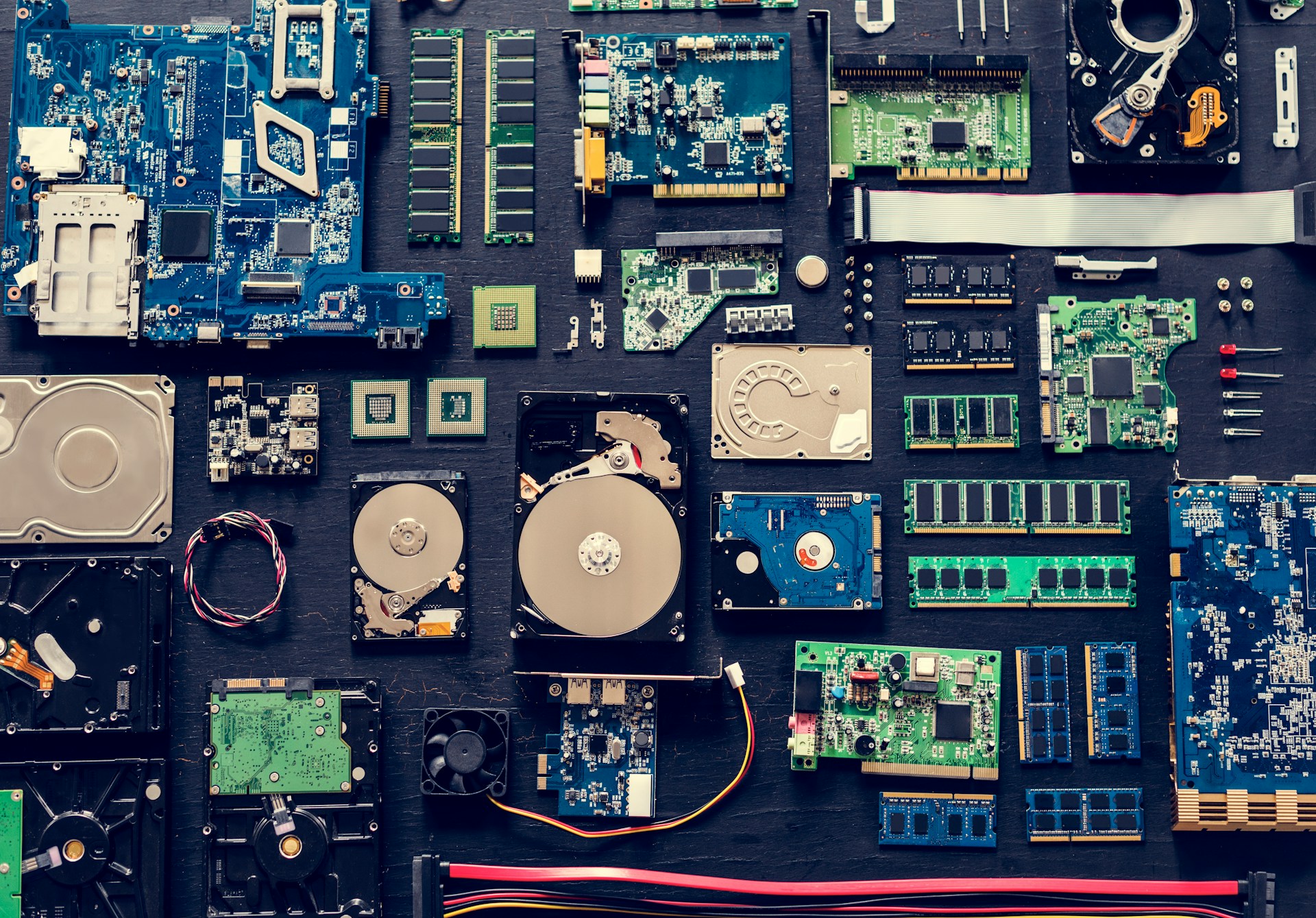
In Latvia as well, demand for computer components such as RAM and SSD drives has reached its highest level in 30 years, exceeding global production capacity, says Edgars Kumerdanks, head of the NEO product group at JSC Capital.
“Right now there is a huge shortage across all major memory categories at the same time, driven by the rapid increase in artificial intelligence performance and the creation of new data centers. In some product categories, prices are rising every day as manufacturers’ inventories regularly fall to a minimum,” Kumerdanks explains.
The industry forecasts that 2026 will be challenging, as production capacity is fully booked while demand continues to grow. It is estimated that the prices of certain computer components in the business segment could increase by about 30% in 2026, and even more rapidly in the open market.
Rising component prices are already increasing the material costs of desktop and laptop computers. The expert anticipates that this will not be a short‑term bubble in demand for computer hardware. “High prices and disrupted deliveries will persist until demand driven by artificial intelligence decreases,” concludes E. Kumerdanks.
Inconveniences will have to be taken into account in the long term
Edgars Kumerdanks notes that companies in Latvia are adapting by optimizing existing equipment and building a broader range of supply solutions.
“The impact is particularly significant in the customer segment that is modernizing servers or launching new IT projects that require DDR4, DDR5 memory modules or large SSD volumes for data processing, archiving, or virtual work environments,” explains the JSC Capital expert.
The specialist recommends reviewing computer hardware needs in good time, planning deliveries early, and assessing what to manage in‑house and what to entrust to outsourcing.
“At the moment, manufacturers’ warehouses can only plan deliveries for two to three weeks ahead. If server modernizations are planned, we help select solutions that will have an optimal delivery time and be reliable for a longer period.”
It is expected that the rise in computer component prices will likely continue until the second half of 2026. In the long term, this may affect both the market and companies’ ability to develop new digital solutions.
Originally published at https://inc-baltics.com/sacies-vesturisks-deficits-datora-komponensu-tirgu/

Like

Love

Happy

Haha

Sad