It’s 2018, 10:30 p.m. A wine bottle in my left hand. A box of tissues in my right. Feverish after a 15‑hour workday, but feeling lighter than I had in years – both literally and figuratively. For the first time in many years, I didn’t have my laptop with me. It was my last day in the UK before moving back to Riga. Two thoughts were playing in my head:
1. This is the last time I work myself to the point of collapse.
2. No more workplace drama – ever again!
It’s 2025, Riga. I’m the Marketing Director for the Baltics and Nordics at Entain, one of the world’s largest gambling and betting companies, and I’m happy – not because I stopped working late nights or ended up in a “Friends”-style office where everyone is friendly, but because I’ve accepted a simple truth: I’m not built to work in a comfort zone, and I don’t build “comfort zone” teams.
The “perfect job” myth
In 2016, I had one of those “perfect” jobs at a media agency. Predictable hours, guaranteed promotions. At 9:00 a.m. everyone was at their desks, and by 5:32 p.m. there was a line at the elevator. The biggest drama that year? Someone left bread in the toaster, and the entire floor had to be evacuated.
The problem wasn’t the hours – it was the work itself. Narrow, technical, and creatively draining. After six months I felt exhausted not from overwork, but from a lack of challenge.
Without a spark, without new problems to solve, I slipped into boreout – chronic boredom and loss of motivation. I wasn’t the only one. Across Europe, 32% of employees are exposed to boreout risk in monotonous, meaningless jobs. People often confuse it with burnout, but the difference is simple: boreout comes from too little stress, burnout – from too much.
From boreout to burnout
I left the safe routine to join a small London agency tackling global problems worth losing sleep over. The boreout disappeared. One day I was building strategy, the next – writing a show script, and then I was in a meeting with an NGO. The more I did, the more I wanted to do – and the more others expected from me. At 6:00 p.m. we didn’t go home – we went for late lunch.
That didn’t bother me – but my body wasn’t being heard. Sleepless nights piled up, illnesses dragged on, recovery was always postponed to “next weekend.” Boreout turned into its opposite – burnout.
The workplace drama didn’t help. I had never before heard people shouting, crying, or arguing at work. I felt like I was at war – winning on results, but losing mentally and physically. I started dreaming of an interesting job where no one yells and my eyes don’t twitch from nervous spasms. I promised myself: I’ll move to Riga, and that’s it – no more overwork, no more drama.
The choice
When in 2018 I became Creative Director in Latvia, I stepped into an unusual marketing landscape: sales were the priority, and few people saw the importance of long‑term brand building.
Immediately I faced a choice: take the easy path, follow the “sales first” approach and sink back into boreout, or take on the challenge – develop a team, convince clients, and work late into the evenings, risking burnout. I chose the second path.
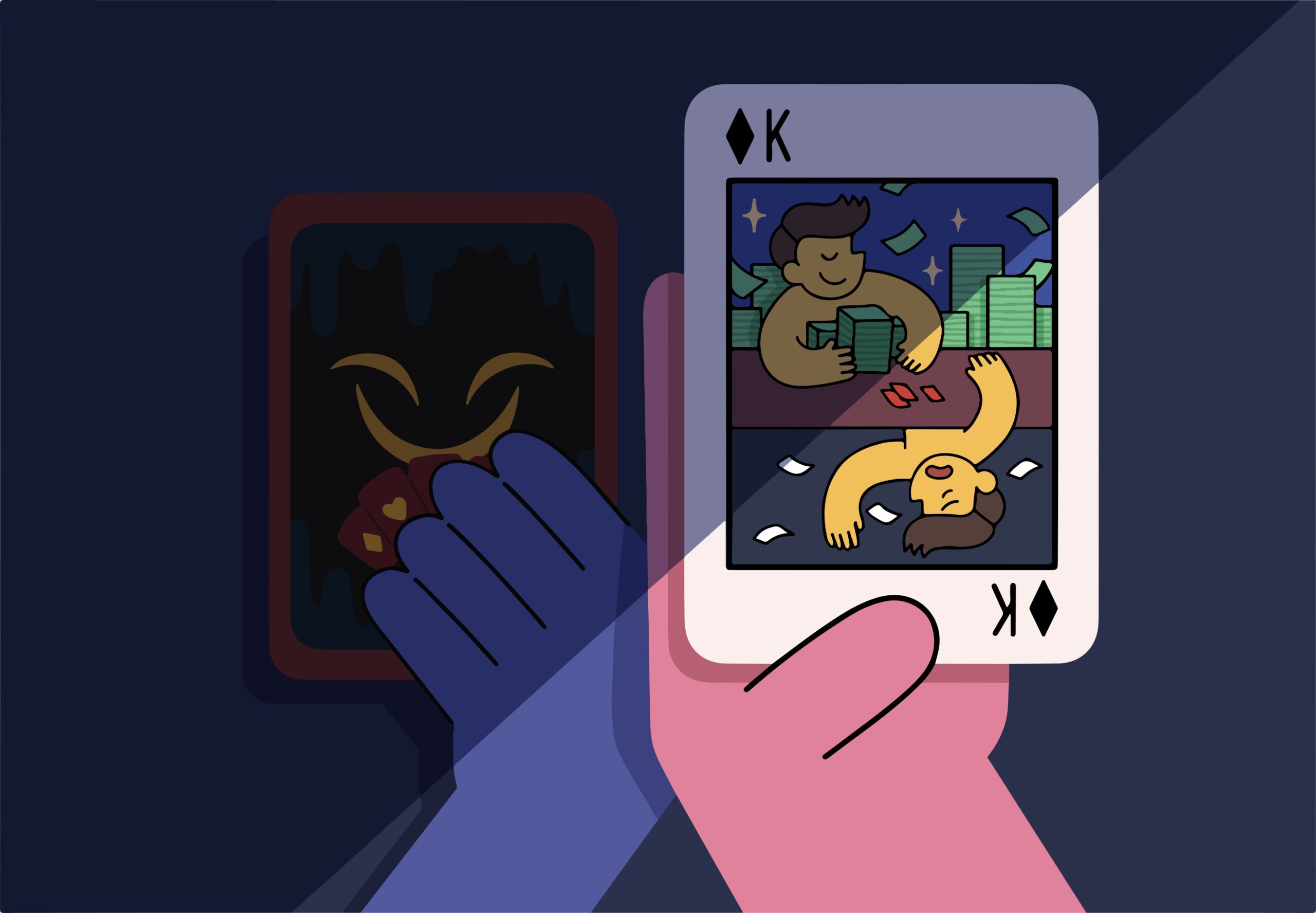
And I’m not alone. In the European Union, 24% of managers – compared to just 4% of other employees – work 49 hours or more per week. Gallup research shows that senior leaders burn out 60% more often than rank‑and‑file employees.
In this job there was no drama. I led a five‑person team, and my manager was mostly absent – except when coming in to ask for more. The high standards I had once set for myself had now become mandatory requirements. Overwork was no longer a choice, it was imposed from above, and burnout returned – this time for the team as well.
So when I later moved to Entain, I thought my only challenge would be overwork. It turned out – you can’t run away from what lives inside you.
Acceptance
When I joined Entain Baltics & Nordics, I was overworking already in the first weeks. So many brands, so many opportunities to build strategy – it was too interesting to say no. I’m not the only one – many people here have the same tired eyes.
But the difference is this: this time, no one was forcing me. The challenges were mine, the creative freedom – mine. If I had too much work, it was because of my own initiative. That’s when I understood the real line: overworking out of passion can give you strength. Overworking because others demand it breaks you.
Now I lead three teams, and it matters to me that employees don’t burn out. That doesn’t mean lowering the bar, but rather setting high standards and giving each person the chance to be responsible for their own motivation, without making exhaustion the price to pay. Big results require big work, but the best work gives energy, not drains it.
Drama as a measure of growth
My dream of a drama‑free career? Over. Drama means you’re making waves. Change always creates resistance – even when it drives growth.
One of my first missions was to transform the tone of the Klondaika brand. I proposed the concept “bravely stupid” – something no other Latvian brand dared to do. The drama was instant: heated debates, doors slamming, emails written like legal memos.
— “Our customers aren’t used to this.”
— “We don’t have to change everything at once – let’s do it gradually.”
Partly because people fear change, but mostly because they cared. Today, “bravely stupid” is one of our strongest assets, defended by the very same teammates who initially criticized it.
I’ve changed too: I no longer want a work environment without arguments. I want my teams to challenge me, because challenge means they think, care, and aren’t afraid to speak up. Of course, there are boundaries. I argue too, when needed, and I will always choose passionate, honest discussions over silent compliance.
Research backs this up: highly engaged teams experience more conflict. Another Gallup study shows that high performance is linked to a greater risk of burnout, yet productivity doesn’t drop. The will to win still delivers results – just with a side of fatigue and tense emotions.
This article was published in the Latvian edition of Inc. magazine, issue #1, October 2025.
Originally published at https://inc-baltics.com/briviba-parstradajoties-un-izaugsme-drama/

Like

Love

Happy

Haha

Sad