The fine imposed by the Competition Council on the retailer Maxima Latvija for unfair practices has so far not affected retailers’ attitude towards food suppliers. This has been observed by the association Zemnieku saeima, which, however, did not expect rapid changes in the relationship between suppliers and retail chains.
“Maxima is not the only retail chain, and the fact that the fine was imposed on Maxima does not mean there is only one party at fault and everyone else is innocent,” says board member of the association Zemnieku saeima Mārtiņš Trons, adding, “it would also be utopian to expect that something would change within two weeks.”
He also points out that Maxima, which received the fine and has pledged to appeal the decision of the Competition Council, will stick to its course to the end, because otherwise the retailer would admit that it “has not operated in a completely honest manner.”
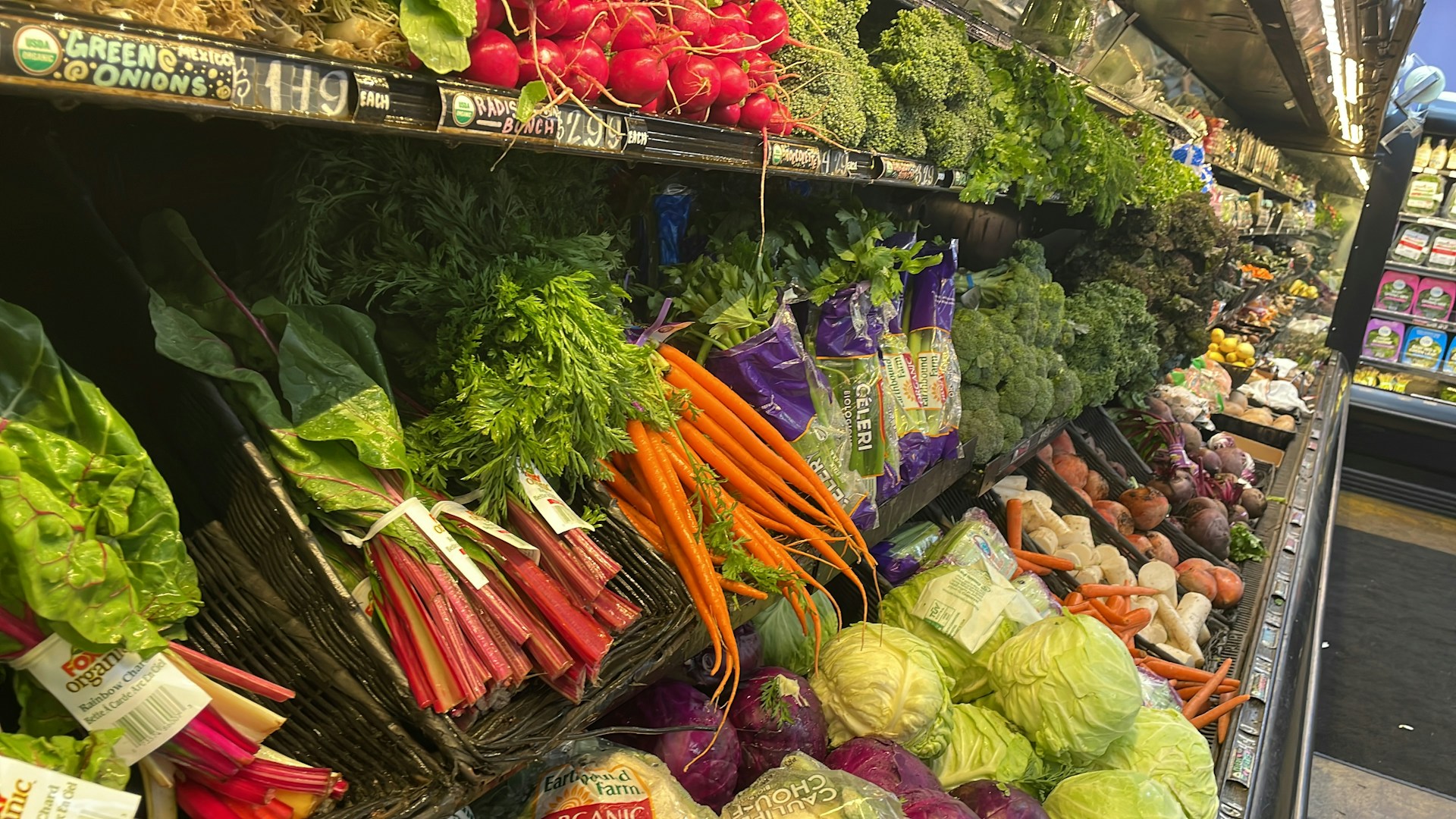
In its statement, the association Zemnieku saeima reports that the share of vegetables, fruits, and berries typical of Latvia on store shelves may decrease, taking into account the purchasing policies of retail chains.
According to M. Trons, the food price reduction memorandum signed this spring by the Ministry of Economics, traders, and food producers has not delivered the promised results – on the contrary, cooperation with supermarkets has become even more challenging. The memorandum did not specify how to measure results or how to control unfair behavior, therefore supermarkets continue to dictate their own conditions and reduce purchase prices without concluding long-term contracts with local growers.
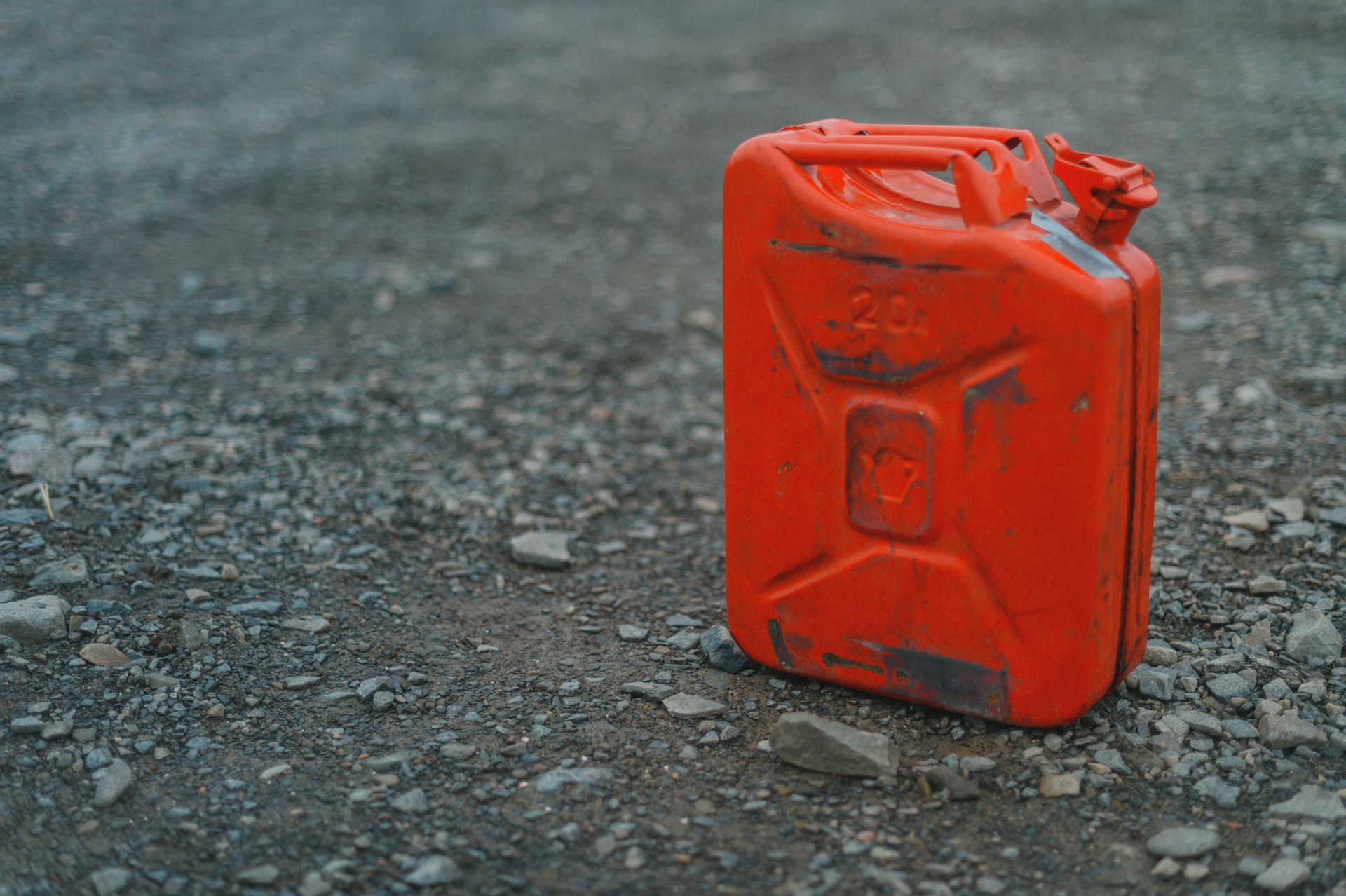
As a result, the low purchase prices for vegetables and fruits are also one of the reasons why many vegetable growers have left part of their crop unharvested in the fields this autumn. Harvesting has become economically unviable, as the costs of labor, fuel, and storage exceed the possible income from sales. In some cases, purchase prices have fallen by as much as 50%, while the final price for the consumer on store shelves has not changed. As a result, the farmer cannot even cover the production cost price and is forced to choose the less painful solution – leaving part of the produce to rot in the field.
Fruit growers also explain that this year the apple and pear harvest has been poorer, including due to spring frosts, which makes it impossible to ensure the availability of fruit in stores while also maintaining financial stability until the next season.
Farmers stress that a breaking point has now been reached where, without changes in market relations and support mechanisms, Latvia’s fruit and vegetable sector may lose its viability. Producers find it harder to compete with imported products, which often have lower costs, while local production is becoming increasingly risky and economically disadvantageous. Latvian farmers still receive the lowest direct payments among all European Union countries, and in other European countries protectionism in relation to local producers is incomparably stronger.
The association Zemnieku saeima calls on the state to finally view this situation as a matter of national food security. If fair cooperation principles and support solutions are not introduced in the near future, Latvia risks losing its vegetable and fruit growers – the people who for decades have provided residents with local products and cared for Latvia’s countryside.
As previously reported, the Competition Council imposed a fine of 1.87 million euros on Maxima Latvija for violations of the Unfair Commercial Practices Prohibition Law. Among other things, the fine was imposed because the retailer strengthened its competitiveness at the expense of agricultural and food product suppliers.
Originally published at https://inc-baltics.com/maxima-piemerotais-sods-parejos-mazumtirgotajus-nav-disciplinejis/

Like

Love

Happy

Haha

Sad