Contrary to what was planned during the preparation of the 2025 budget and approved in the Saeima – namely, that until 2027 state-owned enterprises would have to pay 70% of their annual profit into the state budget as dividends – the government has now come forward with an initiative stipulating that already from next year the amount payable as dividends must be at least 90%.
This is evident from the agenda of the Cabinet meeting on 2 September. “With regard to certain large state-owned enterprises, the State Chancellery together with the holders of capital shares, involving the Ministry of Finance, by 15 September 2025 shall assess and prepare a proposal for setting the amount of dividends in 2026–2028 at no less than 90 percent of the profit for the reporting year for the joint stock company Latvenergo, the joint stock company Latvijas Valsts meži, the joint stock company Augstsprieguma tīkls, the joint stock company Latvijas Loto, and the state joint stock company Latvijas Valsts radio un televīzijas centrs,” the report “On possible revenue increases of state-owned enterprises” states. The Ministry of Finance emphasizes that this is only a proposal.
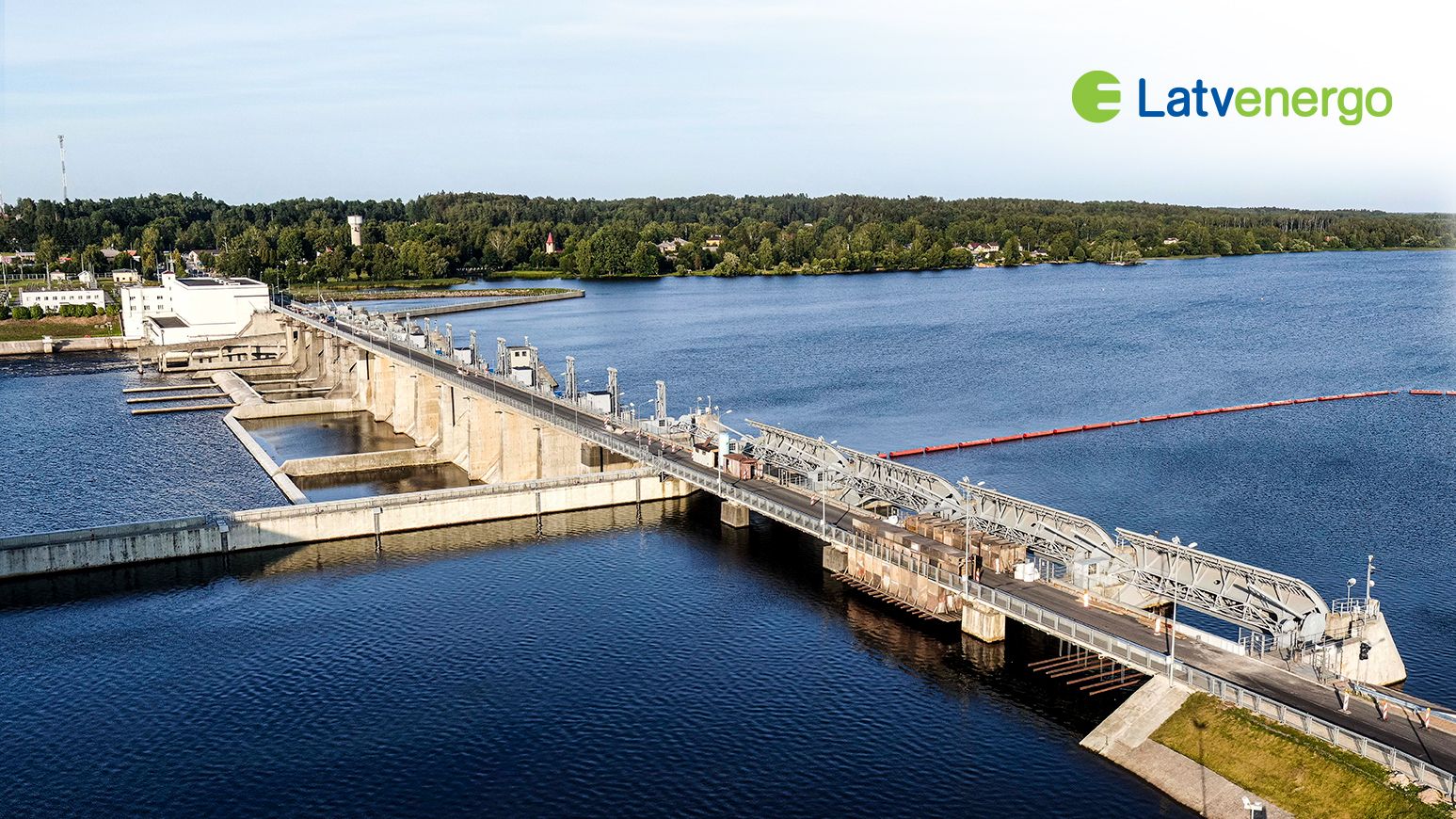
For the more than 273 million euros earned last year, Latvenergo paid more than 191 million euros into the state budget this year, i.e., the 70% stipulated by law. The difference between a 70% and 90% dividend payment would be 54.7 million euros.
Asked how the Latvenergo management views this proposal, the company’s Communications Director Andris Siksnis acknowledged that the dividends paid by Latvenergo to its owners “are significantly higher than in neighboring countries.” “As a result, we can invest less, which may have implications in the future, but we comply with the decisions of the shareholders; it is just important to understand the consequences,” says A. Siksnis.
Even harsher is the assessment of the Executive Director of the Latvian Association of Power Engineers and Power Constructors, of which Latvenergo is also a member, Ivars Zariņš. “Unfortunately, this situation is reminiscent of the sad joke about the Gypsy who was training his horse not to eat, and would have trained it not to drink as well, but the ‘beast’ died! We are on the same path – we are starving our most powerful companies. By taking away almost all of their earnings, we are cutting off their development opportunities, especially their ability to create something new and valuable, to develop new promising lines of business, which is particularly crucial for their successful and sustainable development in these times of great change, when we must catch this wave of new technological development. But we are condemning them to vegetate within their existing business framework, and with our short-sighted decisions we are creating major challenges for their future competitiveness, which will ultimately reduce our economic growth, budget revenues, and create an additional need to obtain money by taking it away from something else or by borrowing – so that later these companies will be taken away from us, because we will not be able to repay. In my view, our authorities overestimate their ability to ride a dead horse,” says I. Zariņš.
This year, Latvijas Valsts meži also paid the state 70% of last year’s profit in dividends – 111 million euros – and may have hoped that the procedure written into law would remain unchanged, because 2024 was not the most successful year for the company: its profit fell by 35% compared with 2023.
Assuming that all these companies’ profits this year remain at the same level as in 2024, by increasing the dividends payable into the budget, the state would obtain 90.8 million euros more than by maintaining the 70% rate.
Originally published at https://inc-baltics.com/budzetu-velas-lapit-noplicinot-latvenergo-rosina-atstat-vien-10-pelnas/

Like

Love

Happy

Haha

Sad